


Designing Place-Responsive Living with Tiny Homes in Burkeville
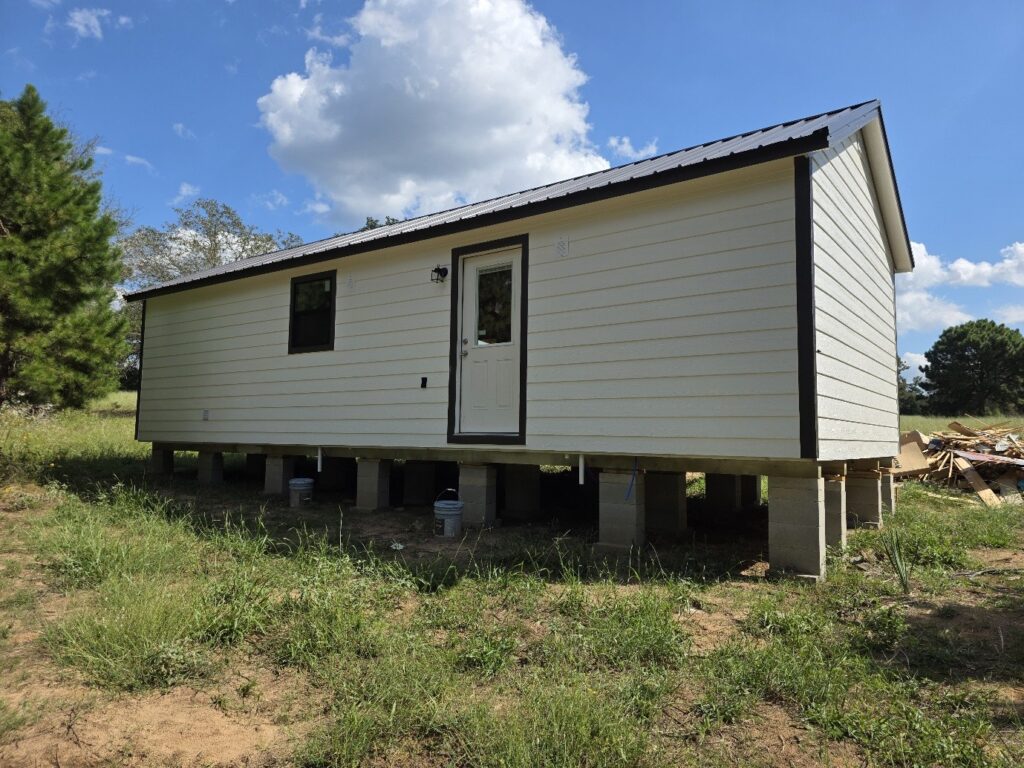
Small towns are no longer peripheral to the future of housing, they are central to it. In Burkeville, the convergence of land, community, and intention is reshaping how people think about home at a human scale.
Why Location Is the New Luxury
At Tiny Homes of Hope, we have learned that location shapes housing outcomes more than square footage ever could. In rural communities, the home is not just a structure but a system that must respond to land, climate, infrastructure, and daily rhythm. That understanding is what guides our approach when designing tiny homes in Burkeville.
Burkeville represents a broader shift happening across Texas. People are moving away from density for density’s sake and toward places that allow for autonomy, privacy, and connection to land. A tiny home in a rural setting must therefore do more than look good, it must function quietly and reliably without constant external support.
This is where thoughtful design replaces novelty. When homes are placed intentionally within their environment, they feel less like alternatives and more like natural extensions of the landscape.
Burkeville as a Case Study in Intentional Living
Burkeville is not a market driven by trend cycles. It is driven by practicality, heritage, and long-term thinking. Homes here are expected to work across generations, not just seasons.
Designing tiny homes in Burkeville requires understanding those expectations. Storage matters differently. Utility access must be resilient. Materials must handle both heat and humidity without overengineering. These considerations are not constraints, they are design signals.
We approach these projects by asking how the home will live ten or twenty years from now. That lens changes everything, from framing choices to window placement to how outdoor space is integrated. The result is a home that feels calm rather than compressed.
Designing Small for Real Life, Not Just Aesthetics
One of the misconceptions surrounding tiny homes is that beauty alone defines success. In reality, beauty fades quickly if the home does not support daily life.
Our design philosophy prioritizes flow and function before finishes. Kitchens are planned for real cooking. Bathrooms are sized for comfort, not minimum code. Sleeping spaces are designed for rest, not novelty. These choices matter even more in rural locations where the home often serves multiple roles at once.
When we design homes for communities like Burkeville, we are not shrinking life. We are editing it with care.
What Makes Rural Tiny Homes Different
Rural tiny homes operate under different assumptions than urban ones. Access to utilities may vary. Deliveries may be less frequent. Repairs may need to be simpler and more intuitive.
That is why we focus heavily on durability and ease of maintenance. Systems are designed to be understood, not hidden. Materials are selected for longevity rather than trend alignment.
This same philosophy extends to our work with Alba tiny homes, where many of the same rural considerations apply. While the locations differ, the underlying approach remains consistent. Build for independence, not dependency.
Alba and Burkeville, Two Markets, One Philosophy
Alba and Burkeville represent two distinct yet aligned markets within East Texas. Both attract homeowners seeking space, agency, and a slower, more deliberate pace of life.
Our work with Alba tiny homes has reinforced the importance of adaptability. Some clients use their homes as primary residences. Others see them as multigenerational solutions, guest spaces, or future downsizing options. That versatility is built into the architecture, not added later.
By applying lessons across locations, we create homes that are grounded locally but informed globally. The result is housing that feels timeless rather than reactive.
Building for the Long Horizon, Not the Quick Sale
Tiny homes are often marketed as fast solutions. We take a different view. Housing should age gracefully, both structurally and emotionally.
In Burkeville, that means homes that can evolve as needs change. A space that begins as a home office may later become a bedroom. Outdoor areas are designed to grow with the landscape rather than resist it.
We believe the future of housing lies in flexibility and restraint. Not more features, but better ones.
The Quiet Future of Localized Housing
Looking ahead, we see small communities leading the next phase of residential innovation. Technology will support efficiency, but place will define meaning.
Tiny homes in rural settings are not about escape. They are about alignment. When a home fits its environment, its occupants, and its purpose, it disappears into daily life in the best possible way.. That is the future we are building toward at Tiny Homes of Hope.
Expert Speak
The future of housing will not be dictated by scale alone. It will be shaped by how well homes respond to where they are placed and how they are lived in.
For those exploring tiny homes in Burkeville or considering Alba tiny homes, the question is not how small a home can be. It is how thoughtfully it can be designed. When intention leads, size becomes secondary.
FAQs
What makes tiny homes in Burkeville different from urban tiny homes?
Rural tiny homes prioritize durability, autonomy, and adaptability to land and climate rather than compact density.
Are tiny homes in Burkeville suitable for full-time living?
Yes, when designed intentionally, they support long-term daily living with comfort and efficiency.
How do Alba tiny homes compare to Burkeville projects?
Both share a focus on rural responsiveness, with designs tailored to land use, lifestyle, and long-term flexibility.
Do tiny homes work well for families or multigenerational use?
They can, especially when layouts are designed to adapt over time and support changing needs.
What should buyers prioritize when choosing a rural tiny home?
Structural integrity, climate-appropriate materials, and a layout that supports real daily routines.
Is a tiny home a long-term housing solution?
When designed with intention, a tiny home can serve as a permanent, resilient, and fulfilling residence.