


What Do Buyers Really Seek When Choosing Tiny Homes in Burkeville and Alba?
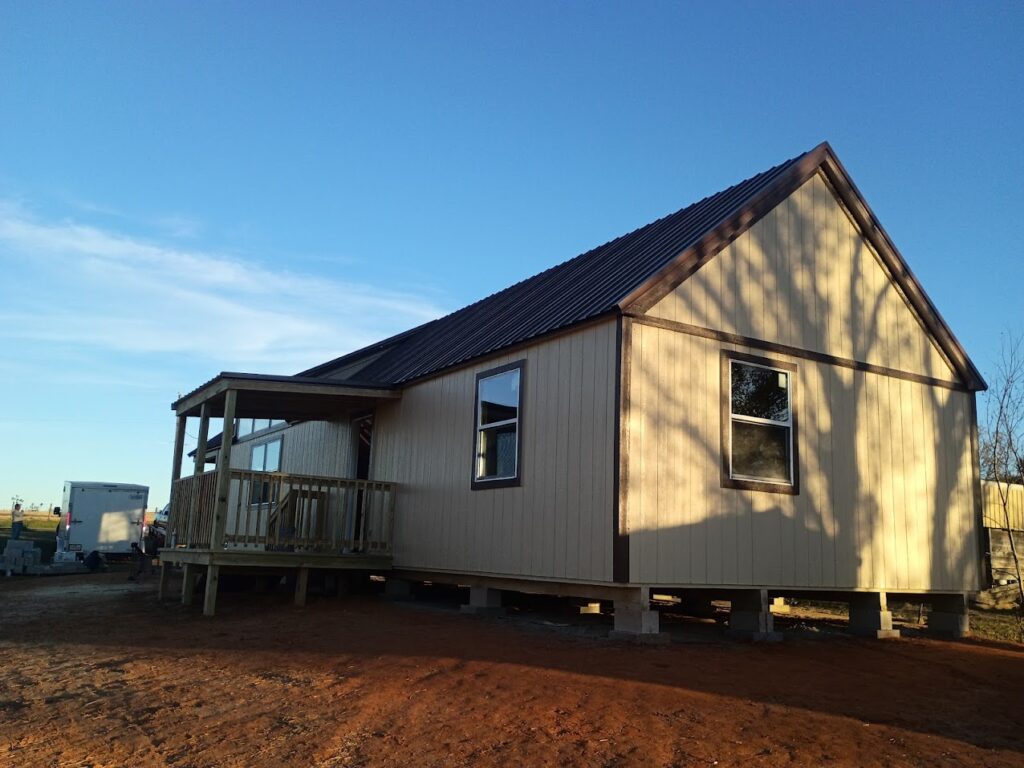
Housing decisions in rural Texas are becoming more deliberate, less reactive, and far more strategic. Buyers are no longer chasing novelty, they are searching for resilience, fit, and long-term relevance. At Tiny Homes of Hope, this shift is reshaping how tiny homes in Burkeville and thoughtfully designed Alba tiny homes are conceived, built, and ultimately lived in.
Why Rural Texas Is Rewriting the Housing Playbook
Texas has always rewarded foresight, but rural communities are now leading a quieter transformation. Instead of reacting to urban price pressure, buyers are choosing intention. Small towns like Burkeville and Alba are benefiting from this recalibration.
At Tiny Homes of Hope, it is clear that demand is not driven by downsizing alone. It is driven by a desire for autonomy, predictable costs, and homes that feel proportionate to real needs. Tiny homes in Burkeville represent this logic, not as an alternative, but as a refined primary choice.
The story unfolding here is less about space and more about stewardship.
What Makes Burkeville and Alba Structurally Different Markets
Not all rural locations function the same way. Burkeville carries a relationship to land, weather, and pace that demands structural clarity. Alba brings its own rhythms, shaped by community continuity and proximity to natural resources.
These distinctions matter because homes do not exist in isolation. They perform within environments. When people explore Alba tiny homes, they are often responding to this alignment, even if subconsciously. A well-designed small home respects its surroundings rather than fighting them.
Design decisions that ignore local context tend to reveal their weaknesses quickly.
How Buyers Are Rethinking Space, Permanence, and Control
A recurring question emerges in conversations with future homeowners. Is a tiny home a temporary step or a lasting solution? In Burkeville and Alba, the answer increasingly points toward longevity.
People are thinking in terms of permanence, but not rigidity. They want homes that support evolving lives without inflating obligations. Tiny homes deliver that balance when built intentionally. At Tiny Homes of Hope, permanence is not measured by size, it is measured by how well a home supports daily life over time.
Control over costs, maintenance, and energy use becomes a form of peace of mind.
What Quality Actually Means in Location-Specific Tiny Homes
Quality in small homes cannot hide behind excess. Every material, joint, and system carries weight. In rural Texas, that scrutiny intensifies due to climate demands and self-reliance expectations.
When buyers seek tiny homes in Burkeville, they are often evaluating durability more than style. Insulation performance. Structural integrity. Long-term upkeep. These factors shape whether a home feels dependable or fragile.
At Tiny Homes of Hope, quality is defined by endurance. A home should age quietly, without demanding constant correction.
Designing for Daily Life, Not Just First Impressions
Tiny homes magnify habits. A poorly placed window becomes an annoyance. An inefficient kitchen becomes a constraint. Thoughtful design prevents these outcomes.
Our approach centers on daily flow. How mornings unfold. How storage supports routines. How natural light influences comfort across seasons. This attention ensures that Alba tiny homes feel generous despite their footprint.
Design becomes less about visual drama and more about invisible competence.
When Customization Becomes a Form of Risk Management
Customization is often misunderstood as indulgence. In reality, it is a hedge against regret. A home that aligns with its owner reduces the likelihood of costly changes later.
At Tiny Homes of Hope, customization is structured, not ornamental. Choices are guided by use cases, climate considerations, and long-term adaptability. This philosophy protects value and satisfaction simultaneously.
Buyers who invest in fit rarely feel the urge to replace.
Making Room While the Ground Is Fertile
There is an old idea about acting while conditions are favourable. In housing, this translates to building deliberately before constraints tighten. Burkeville and Alba currently offer space, flexibility, and opportunity that larger markets no longer provide.
Choosing tiny homes in Burkeville or Alba tiny homes today is not about urgency. It is about clarity. When land, intention, and design align, outcomes tend to endure.
The quiet advantages of these locations are unlikely to remain unnoticed forever.
In a Nutshell
Tiny homes are often framed as a response to scarcity. In Burkeville and Alba, they function as a response to clarity. A well-considered small home offers freedom without fragility and simplicity without sacrifice.
At Tiny Homes of Hope, the work is guided by a single belief. Homes should belong to their place and their people equally. When that balance is achieved, size fades into irrelevance, and purpose takes root.
FAQs
Why are tiny homes in Burkeville gaining attention now?
Burkeville offers land availability, regulatory flexibility, and a pace of life that aligns well with intentional housing choices.
What distinguishes Alba tiny homes from generic small builds?
Designs tailored to Alba consider community context, climate behaviour, and long-term livability rather than visual trends.
Are tiny homes suitable for year-round living in rural Texas?
Yes, when insulation, ventilation, and systems are designed specifically for regional conditions.
How does Tiny Homes of Hope approach customization?
Customization is guided by daily use, future adaptability, and structural integrity, not decoration alone.
Do tiny homes hold long-term value in small towns?
Homes built with durability and location alignment tend to maintain relevance and utility over time.Is a tiny home a primary residence or a secondary option?
For many buyers today, tiny homes function successfully as full-time residences rather than transitional housing.