


The Best Tiny Home Builders in Atlanta and Texas: What to Actually Look For
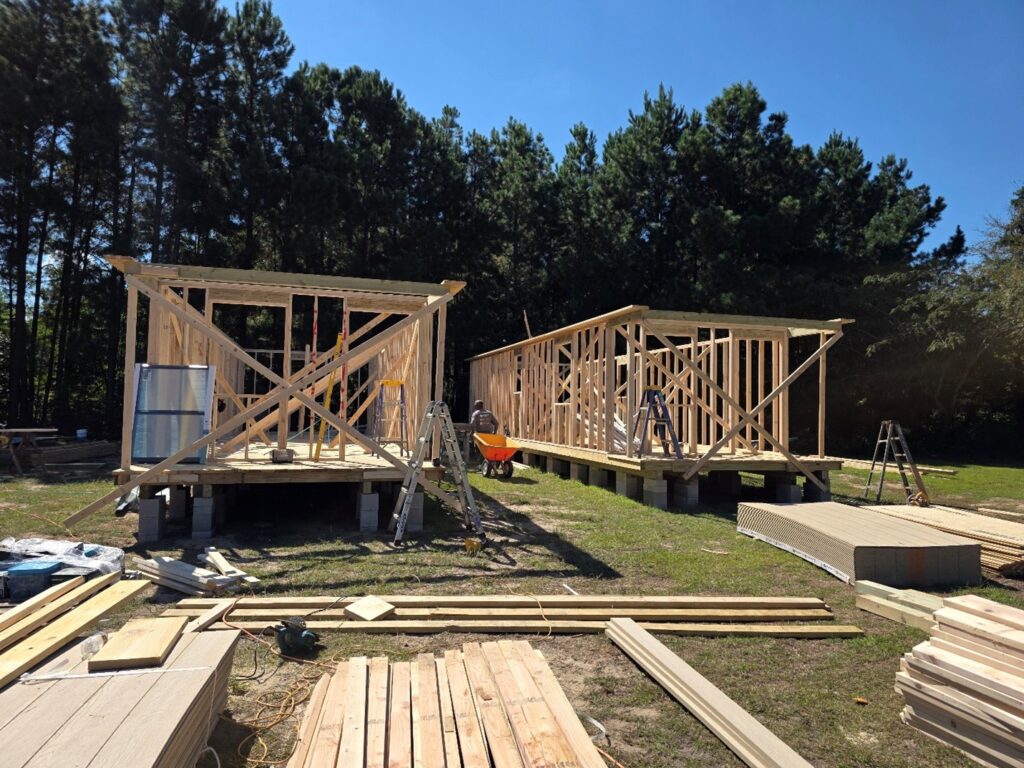
Finding the best tiny home builders in Atlanta or anywhere in the South comes down to one thing: trust. Not just in the craftsmanship, but in whether the builder genuinely understands how real people live. At Tiny Homes of Hope, we have been building affordable, quality tiny homes since 2019, and we have seen firsthand how the right builder can transform a modest budget into a life-changing space.
This guide walks you through what to evaluate when choosing a tiny home builder, whether you are exploring communities near Atlanta or searching for tiny house contractors in Texas. Use it to ask better questions, avoid common mistakes, and make a decision you will feel good about for years.
What Makes a Tiny Home Builder Worth Your Investment
The tiny home market has grown dramatically over the past decade. According to industry reports, the sector has seen consistent double-digit growth year over year since 2018. With that growth comes a wide spectrum of builders, from experienced craftspeople with decades of construction knowledge to newer operations that learned the trade from online tutorials.
A builder worth your investment does three things consistently: they build to code, they communicate clearly, and they deliver on timeline. Those three factors eliminate roughly 40% of the smaller operators in the market before you even look at design or pricing.
Experience with local zoning laws is equally important. Texas and Georgia each have distinct permitting landscapes. A builder who understands the difference between an RV-classified unit and a permanent dwelling foundation matters enormously when it comes to financing, insurance, and resale.
Atlanta vs. Texas: Key Market Differences
These two markets attract different buyer profiles, and understanding that helps you find the right fit.
| Factor | Atlanta Metro | Texas (East/Rural) |
| Land availability | Limited, competitive urban plots | Abundant, especially rural East Texas |
| Zoning complexity | High, neighborhood-specific | Moderate, county-by-county |
| Average cost per sq ft | $180–$260 | $130–$200 |
| Community options | Growing number of tiny home communities | Established rural land flexibility |
| Builder density | Several regional options | Strong local builder network |
East Texas, in particular, offers some of the best conditions for affordable tiny home living in the country. Land costs are lower, permitting is often more flexible on rural parcels, and communities are forming around shared values of simplicity and sustainability.
How to Evaluate Any Builder in 5 Steps
Whether you are reaching out to builders in Atlanta or working with tiny house contractors in Texas, use this framework before signing anything:
- Review completed builds, not just renders. Ask to visit or video-tour finished homes. Renderings are easy; execution is hard.
- Confirm licensing and insurance. A legitimate contractor carries general liability and workers' compensation. Ask for certificates, not just assurances.
- Understand the materials sourcing. Quality builders are transparent about where materials come from. Sustainable sourcing is not just ethical; it affects long-term durability.
- Ask about post-build support. What happens if something breaks six months in? A solid builder has a clear warranty policy and answers that question without hesitation.
- Get a clear contract. Timeline, milestones, payment schedule, and change-order policy should all be in writing before work begins.
Cost Breakdown: What $60K–$120K Actually Gets You
Pricing in the tiny home world is less standardized than traditional construction. Here is a realistic picture of what different budgets deliver in the Texas and Southeast markets:
| Budget Range | What to Expect |
| $40K–$60K | Basic shell build, standard finishes, minimal customization, no land |
| $60K–$80K | Full build with kitchen/bath, some custom details, energy-efficient windows |
| $80K–$100K | Custom layout, upgraded materials, off-grid prep, covered porch possible |
| $100K–$120K | Full custom build, solar-ready, high-end finishes, full warranty package |
These ranges assume you already have land or are buying into a community. Land acquisition adds $20K–$80K depending on location, with rural East Texas being significantly more affordable than any Atlanta suburb.
Red Flags to Watch for When Hiring Contractors
Not every builder advertising tiny homes in the South has the experience to back it up.
Watch for these patterns:
- No physical address or permanent business location
- Vague timelines with no contractual milestones
- Requests for full payment upfront
- Inability to produce licensing documentation on request
- Portfolio that shows only design concepts, no real builds
- Dismissiveness about zoning or code compliance questions
These are not minor inconveniences. In a market where projects can run $80K or more, a poorly vetted contractor can mean months of delays or, worse, a structure that cannot be legally occupied.
Why Builder Location Still Matters
There is a practical argument for working with builders who operate in your target region. Local knowledge of permitting timelines, subcontractor relationships, and material suppliers makes a measurable difference in cost and schedule.
At Tiny Homes of Hope, based in Lindale, TX, we understand East Texas permitting and land use regulations in a way that a builder operating primarily in Atlanta simply cannot replicate. Regional expertise is not a marketing point; it is a functional advantage that protects your investment.
That said, some Atlanta-area builders have built strong relationships with counties outside the metro area. If you are buying land in Georgia, prioritize builders with direct experience in that specific county. Zoning rules in Cherokee County differ meaningfully from DeKalb or Forsyth.
Frequently Asked Questions
Are tiny homes legal to live in full-time in Texas?
Yes, in most Texas counties, especially rural ones. The key is how the unit is classified: as a permanent dwelling on a foundation, an RV, or a manufactured home. Each classification carries different permitting requirements and affects financing options. Always confirm zoning with the specific county before purchasing land.
What is the difference between a tiny home builder and a tiny house contractor?
The terms are often used interchangeably, but there is a meaningful distinction. A builder typically designs and constructs from the ground up. A contractor may manage subcontracted labor to execute a build. For your purposes, what matters is who holds the license, who carries the insurance, and who is accountable if something goes wrong.
How long does it take to build a tiny home in Texas?
Most custom tiny home builds in Texas take between 12 and 24 weeks from contract signing to move-in, depending on complexity and material availability. Prefab options can reduce this to 8 to 12 weeks. Always confirm your builder's current backlog before agreeing to a start date.
Can I get a mortgage for a tiny home in Atlanta or Texas?
It depends on how the home is titled and whether it sits on a permanent foundation. Traditional mortgages are available for foundation-set tiny homes that meet HUD or state building codes. Homes classified as RVs or personal property typically require chattel loans or personal financing, which carry higher rates.
What questions should I ask a tiny home builder before signing?
Ask about licensing, insurance, completed build history, warranty terms, zoning experience in your target county, material sourcing, and what happens if there are delays. A builder who answers all of these clearly and without deflection is operating with the transparency your investment deserves.
Building Small Means Choosing Wisely
The decision to build a tiny home is one of the most intentional housing choices a person can make. It reflects a clear set of priorities: financial freedom, simplicity, and quality over quantity. That intention deserves to be matched by the builder you choose.
Whether you are searching for the best tiny home builders in Atlanta or evaluating tiny house contractors in Texas, the framework is the same: verify credentials, visit real builds, understand your local zoning environment, and work with a team that treats your budget with the respect it deserves.
At Tiny Homes of Hope, we have been building homes in East Texas since 2019. If you have questions about our builds, our process, or what is possible in your budget, visit us at tinyhm.com.