


What Most People Overlook When Searching for Tiny Homes for Sale in Texas
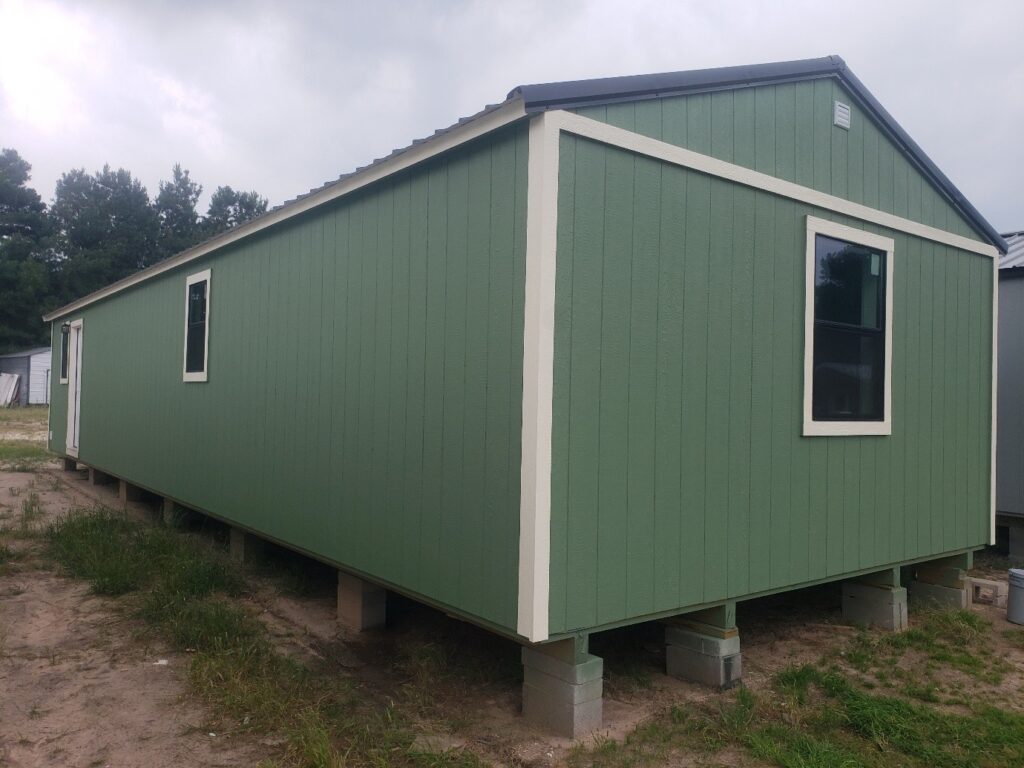
The search for tiny homes for sale in Texas usually begins with a simple goal. Many people want a smaller, more manageable living space that reduces cost, complexity, and maintenance. Yet the moment people begin researching options, they quickly realize that buying a tiny home involves far more than selecting a compact floor plan.
Over the years at Tiny Homes of Hope, we have noticed that buyers are rarely just looking for a smaller structure. They are trying to solve a larger problem. Sometimes it is the rising cost of traditional housing. In other cases, it is the desire for flexibility, mobility, or a more intentional lifestyle.
The real challenge is not finding a tiny home. The challenge is understanding what makes a tiny home truly livable, durable, and suited to the unique conditions of Texas.
Understanding the Real Problem
Most people searching for tiny homes for sale in Texas begin by comparing size, price, and appearance. Those factors matter, but they rarely tell the full story.
From our experience, the most common frustrations appear later in the process. Buyers discover that zoning rules vary dramatically between counties. Some properties require specific utility setups. Others demand structural considerations that are easy to overlook during early planning.
Another common misconception is that tiny homes are simply miniature versions of traditional houses. In reality, compact homes require a completely different design philosophy. Storage, airflow, insulation, and spatial flow must be carefully balanced. When these elements are overlooked, a home that looked perfect online may feel impractical in everyday use.
In other words, the real challenge is not size. It is the quality of the thinking behind the design and placement of the home.
A Broader Industry Observation
Experiences like these reveal something broader about the housing industry. Many conversations around tiny homes focus on lifestyle trends. Minimalism, mobility, and off-grid living often dominate the narrative.
However, what we see across Texas tells a more practical story. Tiny homes are increasingly becoming a strategic housing solution rather than a lifestyle experiment. Rising land costs, changing work patterns, and shifting family needs are encouraging people to rethink how much space they truly require.
This shift explains why searches for tiny house builders near me have grown significantly in recent years. Buyers are not just exploring smaller homes. They are looking for professionals who understand how to translate compact living into a reliable, long-term housing solution.
The difference between a novelty structure and a well-designed home often lies in the expertise behind it.
What Separates High-Quality Solutions
In a growing market, the gap between average and high-quality tiny homes can be substantial. Over time, we have found that several elements consistently distinguish successful projects.
First is thoughtful design. A well-designed tiny home considers how residents will actually move through the space. Lighting, storage, and ceiling height all influence how large a small home feels.
Second is structural reliability. Texas weather ranges from intense summer heat to seasonal storms. A tiny home must be built with materials and insulation systems capable of handling these conditions.
Third is transparency in the building process. Clients often benefit from understanding the reasoning behind design choices. When homeowners participate in these discussions, the result is a space that truly reflects their lifestyle.
Finally, there is long-term thinking. The best outcomes occur when a home is designed not just for today but for how the owner’s needs might evolve over the next decade.
A Practical Scenario from East Texas
Consider a scenario we encounter frequently in East Texas. A client begins searching online for tiny homes for sale in Texas after realizing their traditional home has become more maintenance than they want to manage.
They initially focus on price and square footage. After several conversations, a different set of priorities emerges. The home must handle summer heat efficiently. It needs a kitchen layout that supports daily cooking. Storage must accommodate hobbies without creating clutter.
During the planning phase, adjustments are made to window placement, ventilation, and cabinetry. None of these changes dramatically increase the home’s size. Yet together they transform how the space functions.
By the time construction is complete, the home feels noticeably larger than its footprint suggests. The improvement did not come from adding space. It came from designing space more intelligently.
The Unexpected Value of Thoughtful Planning
One of the most interesting outcomes we observe is that many clients initially underestimate the emotional impact of living in a well-designed small home.
Lower maintenance is an obvious benefit. Reduced energy consumption also appeals to many homeowners. Yet the most frequently mentioned advantage is something less tangible.
Clarity.
A carefully designed tiny home encourages more intentional living. Spaces serve clear purposes. Clutter has fewer places to accumulate. Daily routines become simpler.
For many homeowners, this shift produces a sense of calm that larger houses sometimes lack. The home becomes easier to manage and easier to enjoy.
In this way, the value of tiny homes extends beyond financial savings. It often improves how people interact with their living environment.
A Broader Reflection on Housing Decisions
Looking across the industry, it becomes clear that the tiny home movement reflects a deeper change in how Americans think about housing.
For decades, residential design often equated success with size. Larger homes symbolized progress and stability. Today, many buyers are questioning that assumption.
The rise of remote work, flexible lifestyles, and rising construction costs has encouraged people to reconsider what a home truly needs to provide.
In this context, the growing interest in tiny house builders near me represents more than a search query. It reflects a shift toward intentional living spaces designed around real needs rather than traditional expectations.
Tiny homes are not replacing conventional houses. Instead, they are expanding the range of choices available to homeowners.
The Takeaway
Searching for tiny homes for sale in Texas may begin with curiosity about smaller living spaces. Over time, however, the decision often becomes more thoughtful and strategic.
The most successful tiny home projects rarely focus only on square footage. They consider climate, land use, design flow, and long-term livability. When these elements come together, a small home can deliver comfort and reliability that rivals much larger houses.
At Tiny Homes of Hope, we have seen how carefully designed compact homes can transform the way people think about space. The lesson is simple but important. The value of a home does not depend on its size. It depends on how intelligently that space is designed and built.
Frequently Asked Questions
What should I look for when searching for tiny homes for sale in Texas?
Start by considering more than just size and price. Look at insulation, ventilation, materials, and zoning compatibility. Texas climates can be demanding, so durability and energy efficiency are critical factors when evaluating a tiny home.
Are tiny homes suitable for the Texas climate?
Yes, when properly designed. Quality tiny homes incorporate insulation, ventilation, and roofing systems tailored to handle Texas heat and seasonal storms. Design decisions play a major role in long-term comfort and efficiency.
How do I find reliable tiny house builders near me?
Look for builders who provide clear explanations of their design process and materials. Experienced professionals will discuss structural considerations, climate factors, and land placement rather than focusing only on visual features.
Do tiny homes require special permits in Texas?
Permit requirements vary by county and municipality. Some areas have flexible zoning rules while others require specific approvals. Researching local regulations early helps prevent complications later in the process.
Are tiny homes a good long-term housing option?
For many homeowners, yes. When designed thoughtfully, tiny homes offer lower maintenance costs, reduced energy consumption, and efficient use of space. The key is ensuring the design aligns with your lifestyle and long-term needs.
Why are tiny homes becoming more popular in Texas?
Growing housing costs, changing work patterns, and interest in simpler living have all contributed to increased demand. Many buyers are discovering that smaller homes can provide both financial flexibility and practical comfort.