


How to Find Tiny Home Builders Near You (And What Separates the Good Ones From the Rest)
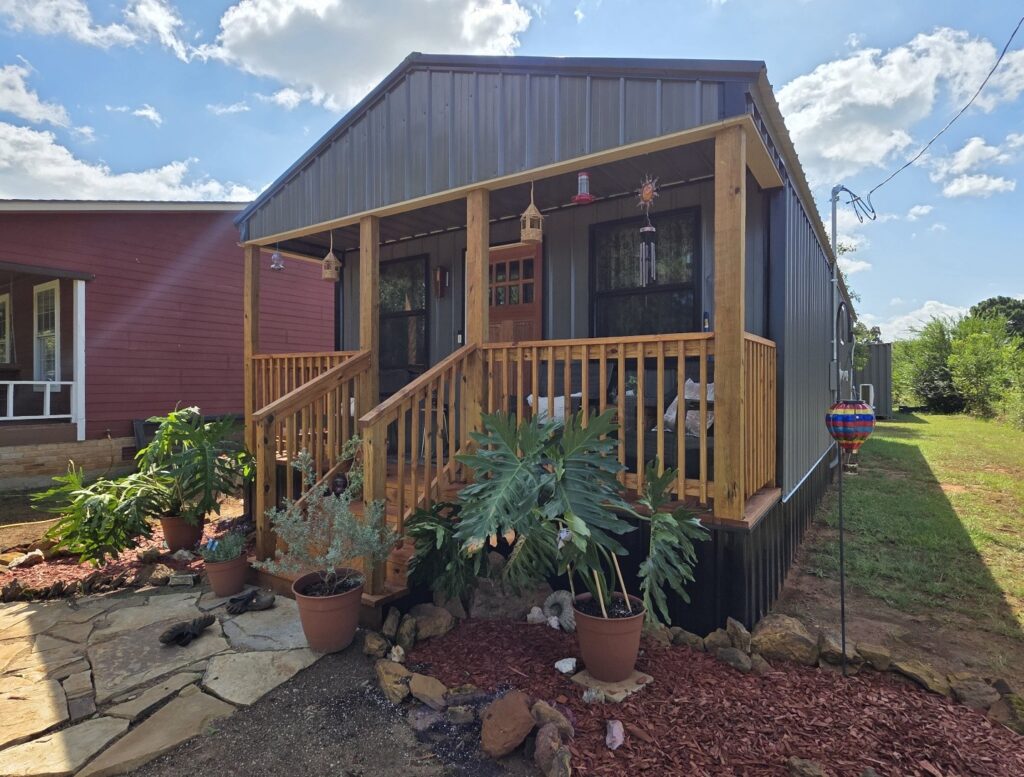
Searching for tiny home builders near me is one of those queries that sounds simple until you actually start clicking through results. The market is crowded, the quality varies dramatically, and the stakes are high enough that a poor decision can cost you months and tens of thousands of dollars. At Tiny Homes of Hope, we have been building affordable tiny homes in East Texas since 2019, and we have watched this industry mature alongside the growth in demand. This guide gives you a clear framework for evaluating any builder, including the questions most buyers forget to ask until it is too late.
If you are specifically looking at small home builders in Atlanta or in the broader Southeast, the same evaluation logic applies, with a few regional considerations worth understanding on their own terms.
Why the Builder You Choose Matters More Than the Design
Most buyers spend the bulk of their early research on design: square footage, layout, loft versus no loft, off-grid capability. That research is useful, but it is secondary to the more important question of who is actually building the structure. A beautiful design executed by an inexperienced or undercapitalized builder can result in code violations, structural issues, or a project that stalls midway and leaves you holding a partial build and a depleted budget.
The tiny home industry does not have the same credentialing infrastructure as traditional construction. Almost anyone can advertise as a tiny home builder. That reality means buyers have to do more due diligence than they would when hiring a licensed general contractor for a conventional project. The builder you choose is the single most consequential decision in the entire process.
What a Legitimate Tiny Home Builder Actually Looks Like
A credible builder is not hard to identify once you know what to look for. The signals are consistent across markets, whether you are evaluating builders in rural Texas or searching for small home builders in Atlanta:
- A verifiable business address and an established operating history of at least two to three years
- A portfolio of completed builds, not just concept renderings or in-progress shots
- General liability insurance and, where applicable, workers' compensation coverage
- Familiarity with local zoning and permitting requirements in your specific county or municipality
- A written contract that specifies timeline, payment milestones, and a change-order policy
- References from past clients who are willing to speak on the record
None of these criteria are unusual or difficult to meet for a legitimate operation. A builder who pushes back on any of them is telling you something important.
The Five-Question Framework for Evaluating Any Builder
Before you sign anything or pay a deposit, run every builder through these five questions:
- Can I visit or video-tour a completed build? Renders are not evidence of execution quality. A builder who has nothing finished to show you is not a builder you should be paying to finish something for you.
- What does your warranty cover, and for how long? A serious builder stands behind their work. Ask specifically what is covered, what voids the warranty, and how warranty claims are handled. Vague answers are a warning sign.
- How do you handle zoning and permitting in my specific county? This is where regional expertise separates strong builders from problematic ones. A builder who has never worked in your county should not be your first call.
- What is your current backlog, and what is a realistic move-in timeline? Optimistic timelines are common in this industry. Ask what factors could extend the schedule and how delays have been handled in past projects.
- Who are your primary subcontractors, and are they licensed? Many builders subcontract electrical, plumbing, and HVAC work. You are entitled to know who is working on your home and whether they carry the appropriate licenses.
Regional Considerations: Atlanta and the Southeast
The Atlanta metro and surrounding Southeast markets present a specific set of considerations for tiny home buyers that differ from rural Texas.
Zoning is the primary complexity. Georgia municipalities vary dramatically in how they classify and permit tiny homes. Some counties in the metro area have made deliberate accommodations for tiny home communities and ADUs; others treat anything under a certain square footage as non-conforming and require variances. Fulton, Cherokee, and Gwinnett counties each have meaningfully different rules, and a builder who operates across multiple Georgia jurisdictions will understand these distinctions far better than a general contractor who has only worked in one area.
Land costs in the Atlanta metro are also significantly higher than rural Texas markets. Buyers who want to own land outright and build a tiny home as a primary residence often find that the math works better in rural Georgia counties, 60 to 90 minutes outside the city, than in the suburbs immediately surrounding it.
| Factor | Atlanta Metro | Rural Georgia / Southeast |
| Land availability | Limited, competitive | More accessible, lower cost |
| Zoning complexity | High, jurisdiction-specific | Moderate, often more flexible |
| Builder availability | Several regional options | Fewer but often more specialized |
| Average land cost | $80K–$200K+ | $30K–$80K |
| Best for | Community or infill builds | Primary residence on owned land |
What Honest Pricing Looks Like in Today's Market
One of the most useful things any builder can do for a prospective buyer is give them a realistic cost framework before they commit to anything. Here is what the current market looks like for a legitimate tiny home build:
| Build Type | Typical Range |
| Basic turnkey build, standard finishes | $65,000 – $85,000 |
| Custom layout, upgraded materials | $85,000 – $110,000 |
| Off-grid ready, solar, water systems | $110,000 – $145,000 |
| Full custom with premium finishes | $145,000 – $180,000+ |
These ranges reflect the structure only. Land, site preparation, utility connections, and permits add to the total. Buyers who approach the process with a realistic all-in budget rather than a structure-only number make better decisions and experience fewer painful surprises.
Mistakes Buyers Make When Choosing a Builder
After years of building in this industry, these are the patterns we see most often from buyers who end up in difficult situations:
- Choosing the lowest quote without investigating why it is lower
- Paying a large deposit before seeing a completed build from that builder
- Assuming the builder understands local zoning without verifying it directly
- Skipping the contract review because the builder seemed trustworthy in conversation
- Not confirming subcontractor licensing for electrical, plumbing, and HVAC work
- Underestimating timeline because the builder gave an optimistic estimate early in the conversation
None of these mistakes are unusual, and most of them are entirely avoidable with a structured approach to evaluation.
Frequently Asked Questions
How do I find reputable tiny home builders near me?
Start with builders who have completed projects you can verify. Search for companies with an established physical presence and an operating history of at least two years. Ask for client references in your region, and if possible, visit a completed build in person. Industry directories and local real estate agents who specialize in rural land are also useful starting points.
What licenses should a tiny home builder have?
Requirements vary by state and county, but at a minimum your builder should carry general liability insurance and have verifiable credentials for any licensed trade work performed on the structure, including electrical, plumbing, and HVAC. In Texas and Georgia, residential contractors may also need a state-issued license depending on project scope. Always request documentation rather than taking assurances at face value.
Are tiny home builders in Atlanta different from builders in Texas?
The core evaluation criteria are the same, but the regional context differs. Atlanta builders must navigate a more complex and fragmented zoning environment, and land costs in the metro area are significantly higher. Texas builders, particularly those in rural East Texas, often have more experience with flexible county permitting and off-grid infrastructure. If your land is in Georgia, prioritize builders with direct experience in that specific county.
How long does it take to build a tiny home?
Most custom tiny home builds take 14 to 24 weeks from contract to move-in, depending on complexity, material lead times, and the builder's current backlog. Prefab or modular options can reduce this to 8 to 12 weeks. Ask your builder for a written timeline with milestones, and confirm what circumstances could extend it before you sign.
Can Tiny Homes of Hope build outside of Texas?
Our primary service area is East Texas, where we have deep knowledge of local permitting, land conditions, and subcontractor networks. For buyers outside of Texas, we are happy to have an honest conversation about what is practical. In some cases, we can refer buyers to vetted builders in other regions. Visit tinyhm.com to start that conversation.
The Right Builder Changes Everything
A tiny home is not a small investment. Even at the more accessible end of the market, you are committing $80,000 to $150,000 or more to a structure that will be your primary living space. The builder you choose determines whether that investment produces a home you love for decades or a problem you are managing from move-in day forward.
Whether you are searching for tiny home builders near me in a general sense or evaluating small home builders in Atlanta specifically, the framework is the same: verify what they have built, understand their regional expertise, read every line of the contract, and trust the pattern of evidence more than the pitch.